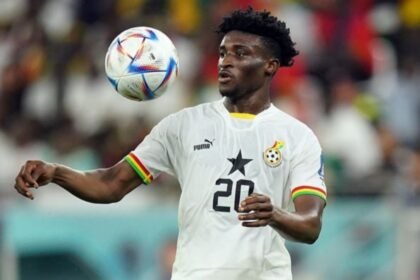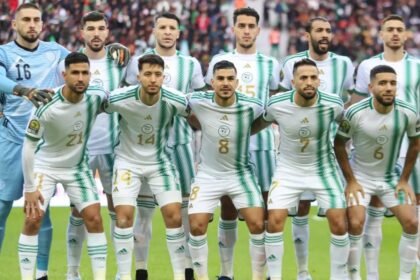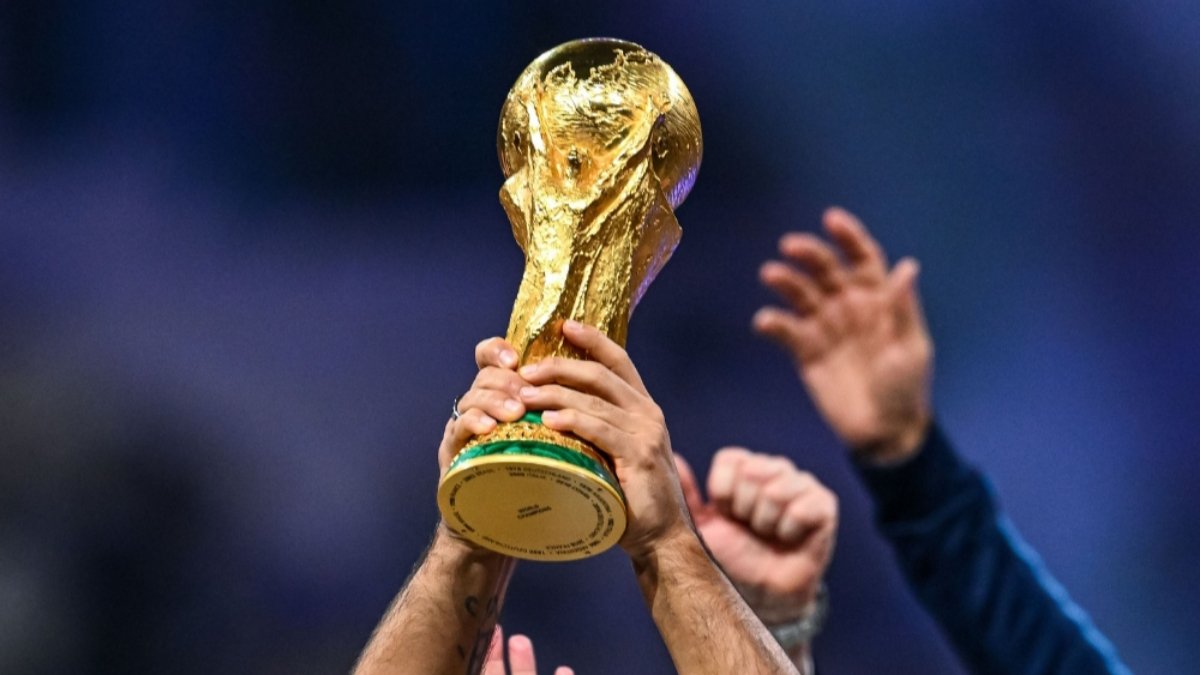


The FIFA World Cup, first proposed in 1928 by FIFA President Jules Rimet, has become the world’s most-watched sporting event. Across 22 editions from 1930 to 2022, it united billions and produced unforgettable champions. Legends emerged; from Uruguay’s historic 1930 victory to Argentina’s dramatic redemption in Qatar.
Held in 18 countries, including joint tournaments in 2002 and the upcoming 2026 edition, the World Cup expanded from 13 teams in 1930 to 32 in 2022.
WORLD CUP HISTORY
1930 FIFA World Cup
The inaugural FIFA World Cup took place in Uruguay from July 13-30, 1930, honoring the nation’s Olympic triumphs of 1924 and 1928 and marking its centenary of independence. Thirteen teams, mostly from South America and Europe, competed across four groups, as Uruguay’s selection underscored its early dominance in international football and set the foundation for the World Cup legacy.
In the final, Uruguay defeated Argentina 4-2 at the Estadio Centenario before 68,000 spectators, claiming the first world title. Guillermo Stábile of Argentina finished as top scorer with eight goals, Lucien Laurent of France netted the first-ever World Cup goal, and Uruguay’s captain, José Nasazzi, led his side with commanding brilliance.
1934 FIFA World Cup
The 1934 FIFA World Cup, held in Italy from May 27 to June 10, was the first to feature qualification rounds, with 16 teams competing in a knockout format. Awarded under Benito Mussolini’s regime, the tournament doubled as a showcase of Italy’s footballing prowess and political ambition.
In the final, Italy defeated Czechoslovakia 2-1 after extra time at Rome’s Stadio Nazionale, with Angelo Schiavio scoring the winner before 55,000 fans. Oldřich Nejedlý finished as top scorer with five goals, while Giuseppe Meazza’s leadership inspired the hosts to their first World Cup triumph, marking the rise of a footballing powerhouse.
1938 FIFA World Cup
The 1938 FIFA World Cup, hosted by France from May 4 to June 19, featured 15 teams after Austria’s withdrawal and several boycotts amid growing political tension in Europe. Despite the unrest, the tournament displayed exceptional talent and deepened emerging football rivalries.
In the final, Italy retained their title with a 4-2 victory over Hungary at Paris’ Stade de Colombes, led by Silvio Piola’s decisive brace before 58,000 fans. Leônidas da Silva of Brazil topped the scoring charts with seven goals, while Piola and Gyula Sárosi starred for their nations, cementing 1938 as a landmark in pre-war football history.
1950 FIFA World Cup
The 1950 FIFA World Cup, hosted by Brazil from June 24 to July 16, marked football’s post-war revival and introduced a unique round-robin final stage instead of traditional knockouts. Thirteen teams competed, culminating in one of the most dramatic conclusions in tournament history.
In the decisive “Maracanã Final,” Uruguay shocked Brazil 2-1 before nearly 200,000 fans, with Alcides Ghiggia scoring the winner to secure Uruguay’s second title. Brazil finished runner-up despite an explosive attack led by top scorer Ademir (8 goals), while Sweden claimed third place.
1954 FIFA World Cup
The 1954 FIFA World Cup, hosted by Switzerland from June 16 to July 4, provided neutral ground during the Cold War and featured 16 teams in a tournament defined by tactical experimentation and thrilling, high-scoring games. It would produce one of the greatest upsets in football history.
In the final at Bern’s Wankdorf Stadium, West Germany stunned Hungary 3-2, with Helmut Rahn netting the late winner before 62,000 fans in what became known as the “Miracle of Bern.” Hungary’s unbeaten run ended in heartbreak, Austria finished third, and Sándor Kocsis led all scorers with 11 goals, as Rahn’s strike sealed West Germany’s first World Cup triumph.
1958 FIFA World Cup
The 1958 FIFA World Cup, hosted by Sweden from June 8 to 29, was the first held in a Nordic nation and featured 16 teams. Brazil’s youthful, dazzling squad stole the spotlight with their creativity and flair, heralding the rise of a global footballing superpower.
In the Stockholm final, Brazil defeated hosts Sweden 5-2, with 17-year-old Pelé scoring twice before nearly 50,000 fans to secure their first World Cup title. France took third place, led by Just Fontaine’s record 13 goals, a mark still unbeaten. Key figures included Didi, Brazil’s midfield maestro and Golden Ball winner, and Pelé, whose brilliance reshaped the future of the sport.
1962 FIFA World Cup
The 1962 FIFA World Cup, hosted by Chile from May 30 to June 17, took place just two years after a devastating earthquake. Sixteen teams competed in a tournament remembered for both its fiery moments, like the infamous “Battle of Santiago”, and its display of exceptional talent and determination, reaffirming Brazil’s growing dominance.
In the Santiago final, Brazil defeated Czechoslovakia 3-1 to claim their second consecutive title, with Amarildo shining in Pelé’s absence and Garrincha dazzling throughout the tournament. Chile thrilled home fans with a spirited run to third place, while Josef Masopust led Czechoslovakia with composure. Garrincha earned the Golden Ball and shared the top scorer honor with four goals, sealing his place among football’s all-time greats.
1966 FIFA World Cup
The 1966 FIFA World Cup, hosted by England from July 11 to 30, brought the tournament to the birthplace of modern football. Sixteen teams competed amid packed stadiums and national pride, as England sought glory on home soil in a competition defined by tactical mastery and unforgettable drama.
At Wembley Stadium, England defeated West Germany 4-2 after extra time to win their first, and only World Cup title. Geoff Hurst scored a historic hat-trick, including the still-debated “ghost goal,” while captain Bobby Moore led with calm authority. Portugal, powered by Eusébio’s nine goals, claimed third place, as the tournament cemented England’s golden moment in football history.
1970 FIFA World Cup
The 1970 FIFA World Cup, hosted by Mexico from May 31 to June 21, was the first held in North America and the first broadcast in color, ushering in a new era for global football. Sixteen teams competed in thrilling, high-altitude matches that showcased attacking brilliance and unforgettable moments of sportsmanship.
In the final at Mexico City’s Estadio Azteca, Brazil triumphed 4-1 over Italy in a masterclass of teamwork and flair, capped by Carlos Alberto’s iconic goal. Led by Pelé in his final World Cup, Brazil captured their third title and permanent ownership of the Jules Rimet Trophy. Gerd Müller shone as the tournament’s top scorer with 10 goals, while West Germany secured third place after the epic “Game of the Century” semifinal, cementing 1970 as one of the greatest World Cups ever played.
1974 FIFA World Cup
The 1974 FIFA World Cup, hosted by West Germany from June 13 to July 7, featured 16 teams and marked the dawn of football’s tactical revolution. The era of “Total Football” emerged, showcasing fluid movement, intelligence, and teamwork, as the modern game took shape both strategically and stylistically.
In the Munich final, West Germany defeated the Netherlands 2-1, with Gerd Müller scoring the winner to secure the hosts’ second World Cup title. Franz Beckenbauer’s composed leadership guided the Germans past Johan Cruyff’s dazzling “Clockwork Orange” side, while Poland, led by Grzegorz Lato’s seven goals, claimed third place. Cruyff earned the Golden Ball for his brilliance, as 1974 became a defining moment in the evolution of world football.
1978 FIFA World Cup
The 1978 FIFA World Cup, hosted by Argentina from June 1 to 25, unfolded under the tense backdrop of a military dictatorship and political unrest. Sixteen teams competed in a tournament marked by both controversy and passionate football, as the hosts pursued their first-ever World Cup title before an electrified home crowd.
In the Buenos Aires final, Argentina defeated the Netherlands 3-1 after extra time, with Mario Kempes scoring twice to seal a historic victory. The Dutch once again impressed with Rinus Michels’ tactical brilliance but fell short for the second straight tournament, while Brazil finished third. Kempes claimed both the Golden Boot and Golden Ball with six goals, as Argentina’s long-awaited triumph became one of the most dramatic and politically charged in World Cup history.
1982 FIFA World Cup
The 1982 FIFA World Cup, hosted by Spain from June 13 to July 25, expanded to 24 teams, introducing a new era of global competition. It delivered intense tactical battles, thrilling upsets, and the resurgence of Italy as a footballing powerhouse, driven by one of the sport’s greatest redemption stories.
In the Madrid final, Italy defeated West Germany 3-1, with Marco Tardelli’s emotional celebration symbolizing the nation’s triumph. Paolo Rossi, returning from suspension, starred with six goals to win both the Golden Boot and Golden Ball, leading Italy to their third title. West Germany finished runner-up, Poland claimed third place, and veteran captain Dino Zoff, aged 40, lifted the trophy as the oldest World Cup winner in history.
1986 FIFA World Cup
The 1986 FIFA World Cup, hosted by Mexico from May 31 to June 29, featured 24 teams in a tournament defined by drama, artistry, and the rise of Diego Maradona as a global legend. Taking over after Colombia’s withdrawal, Mexico’s iconic stadiums provided the stage for some of football’s most unforgettable moments.
In the Estadio Azteca final, Argentina triumphed 3-2 over West Germany, with Jorge Burruchaga scoring the decisive goal. Maradona’s brilliance illuminated the tournament, from the infamous “Hand of God” to the breathtaking “Goal of the Century” against England. Gary Lineker finished as top scorer with six goals, France claimed third place, and Maradona, awarded the Golden Ball, etched his name forever into World Cup history.
1990 FIFA World Cup:
The 1990 FIFA World Cup, hosted by Italy from June 8 to July 8, featured 24 teams in a tournament defined by tactical discipline, defensive strength, and moments of individual brilliance. Salvatore Schillaci emerged as the breakout star, captivating fans with his performances and scoring prowess.
In the Rome final, West Germany defeated defending champions Argentina 1-0 with Andreas Brehme’s decisive penalty, claiming their third World Cup title. Argentina, led by Diego Maradona, fought valiantly, while hosts Italy finished third. Schillaci earned both the Golden Boot and Golden Ball with six goals, and Lothar Matthäus guided Germany with composure, cementing their place atop the footballing world.
1994 FIFA World Cup
The 1994 FIFA World Cup, hosted by the United States from June 17 to July 17, returned to North America for the first time since 1950. Twenty-four teams competed in a tournament known for its global reach, intense tactical battles, and a blend of individual skill and disciplined teamwork.
In the Rose Bowl final, Brazil and Italy drew 0-0, with Brazil winning 3-2 on penalties, highlighted by Roberto Baggio’s missed spot-kick. Brazil, led by Romário’s brilliance, claimed their fourth World Cup, while Italy finished runner-up. Sweden secured third place through Kenneth Dahlin’s scoring, and Oleg Salenko and Hristo Stoichkov topped the charts with six goals each, as Romário earned the Golden Ball for his iconic performances.
1998 FIFA World Cup
The 1998 FIFA World Cup, hosted by France from June 10 to July 12, featured 32 teams for the first time, reflecting the sport’s expanding global reach. The tournament showcased tactical innovation, emerging football nations, and moments of individual brilliance on football’s biggest stage.
In the Stade de France final, France defeated Brazil 3-0, with Zinedine Zidane scoring two unforgettable headers from corners to secure their first World Cup. Brazil, hampered by Ronaldo’s illness, finished runner-up, while debutants Croatia stunned the world by reaching the semifinals, led by top scorer Davor Šuker. Zidane’s brilliance and France’s collective discipline made 1998 a defining tournament in modern football.
2002 FIFA World Cup
The 2002 FIFA World Cup, co-hosted by South Korea and Japan from May 31 to June 30, was the first held in Asia and the first shared between two nations. Thirty-two teams competed in a tournament full of surprises, historic upsets, and breakthrough performances, with both hosts exceeding expectations.
In the final at Yokohama’s International Stadium, Brazil defeated Germany 2-0, with Ronaldo scoring twice to secure their fifth World Cup and complete a remarkable comeback. Germany’s Oliver Kahn earned the Golden Ball, while Turkey stunned the world by finishing third. Ronaldo also claimed the Golden Boot with eight goals, cementing his legacy and highlighting the World Cup’s expanding global reach.
2006 FIFA World Cup
The 2006 FIFA World Cup, hosted by Germany from June 9 to July 9, featured 32 teams and became known as a “summer fairytale” for its thrilling matches, passionate fans, and seamless organization. The tournament combined tactical discipline with moments of individual brilliance, showcasing both established stars and emerging talents.
In the Berlin final, Italy and France drew 1-1 before Italy triumphed 5-3 on penalties, claiming their fourth World Cup behind Fabio Cannavaro’s leadership. France, led by Zinedine Zidane, saw the legendary midfielder’s swan song marked by his infamous headbutt. Germany finished third, Miroslav Klose was top scorer with five goals, and Zidane earned the Golden Ball, making 2006 a tournament remembered for drama, strategy, and iconic moments.
2010 FIFA World Cup
The 2010 FIFA World Cup, hosted by South Africa from June 11 to July 11, was the first held on African soil. Thirty-two teams competed in a vibrant tournament celebrated for colorful stadiums, passionate fans, and the iconic sound of vuvuzelas that defined South African football culture.
In the Johannesburg final, Spain defeated the Netherlands 1-0 after extra time, with Andrés Iniesta scoring the decisive goal. Spain’s tiki-taka style secured their first World Cup, while the Netherlands finished runner-up and Germany claimed third with a dynamic, youthful squad. Thomas Müller was top scorer with five goals, Diego Forlán won the Golden Ball, and Iniesta’s late heroics cemented his place in football history.
2014 FIFA World Cup
The 2014 FIFA World Cup, hosted by Brazil from June 12 to July 13, featured 32 teams and unfolded amid widespread protests and social unrest. The tournament was defined by high-scoring games, dramatic matches, and the shocking 7-1 semifinal defeat of Brazil by Germany, one of the most infamous results in World Cup history.
In the Maracanã final, Germany defeated Argentina 1-0 after extra time, with Mario Götze scoring the decisive goal to secure their fourth World Cup. Argentina, led by Lionel Messi, showcased individual brilliance, while the Netherlands claimed third place behind Arjen Robben’s attacking prowess. James Rodríguez won the Golden Boot with six goals, Messi earned the Golden Ball, and Germany’s triumph capped a tournament of tactical precision and unforgettable drama.
2018 FIFA World Cup:
The 2018 FIFA World Cup, hosted by Russia from June 14 to July 15, featured 32 teams and introduced VAR (Video Assistant Referee) technology, adding a new dimension of fairness and drama. The tournament blended established powerhouses with emerging nations, producing high-scoring matches and unforgettable individual performances.
In the Luzhniki Stadium final, France defeated Croatia 4-2, with Kylian Mbappé scoring twice to secure the nation’s second World Cup. Guided by Didier Deschamps, France combined tactical discipline with youthful flair, while Croatia, led by Luka Modrić, earned global admiration for their heroic run. Belgium claimed third place, Harry Kane won the Golden Boot with six goals, and Modrić received the Golden Ball, as Mbappé emerged as a global superstar.
2022 FIFA World Cup
The 2022 World Cup, hosted by Qatar from November 20 to December 18, featured 32 teams and was held in winter for the first time to avoid extreme summer heat. The tournament captivated fans with thrilling matches, packed stadiums, and dramatic storylines, most notably Lionel Messi’s pursuit of ultimate redemption on the global stage.
In the final at Lusail Stadium, Argentina and France drew 3-3, with Argentina winning 4-2 on penalties. Messi scored twice to lead Argentina to their third World Cup title, while Kylian Mbappé’s hat-trick kept France alive until the shootout. Under Lionel Scaloni, Argentina showcased tactical intelligence and resilience, whereas Didier Deschamps’ France narrowly missed continuing their World Cup dynasty. Croatia claimed third place, with Luka Modrić impressing once again. Mbappé finished as top scorer with eight goals, and Messi earned the Golden Ball, cementing his legacy as one of football’s all-time greats.
Looking Ahead: 2026 FIFA World Cup
The 2026 FIFA World Cup, to be held across 16 venues in the US, Canada, and Mexico from June 11-July 19, will feature 48 teams. Stars like Mbappé, emerging talents, and favorites Brazil and Argentina headline, while Africa’s rise could surprise. FIFA emphasizes inclusivity and sustainability, with $11 billion projected revenue.
A Century of Dreams, Legends, and Global Unity
From humble beginnings in 1930 to tactical showdowns in 2022, the World Cup captures human triumph, heartbreak, and global unity. Across 22 editions, eight nations have lifted the trophy, with 2022 alone generating $7.5 billion. As 2026 approaches, the beautiful game continues to inspire dreams worldwide.