

Nigeria food inflation dropped sharply in September 2025 as maize and grain prices declined. The National Bureau of Statistics (NBS) said on Wednesday that food inflation fell from 21.87% in August to 16.87% in September.
The NBS also reported a 1.57% monthly drop in food inflation. This shows that food supply exceeded demand during the month, leading to temporary deflation.
Headline inflation followed the same pattern, falling from 20.12% in August to 18.02% in September 2025. Analysts linked the drop in Nigeria food inflation to a steady flow of harvests across the country.
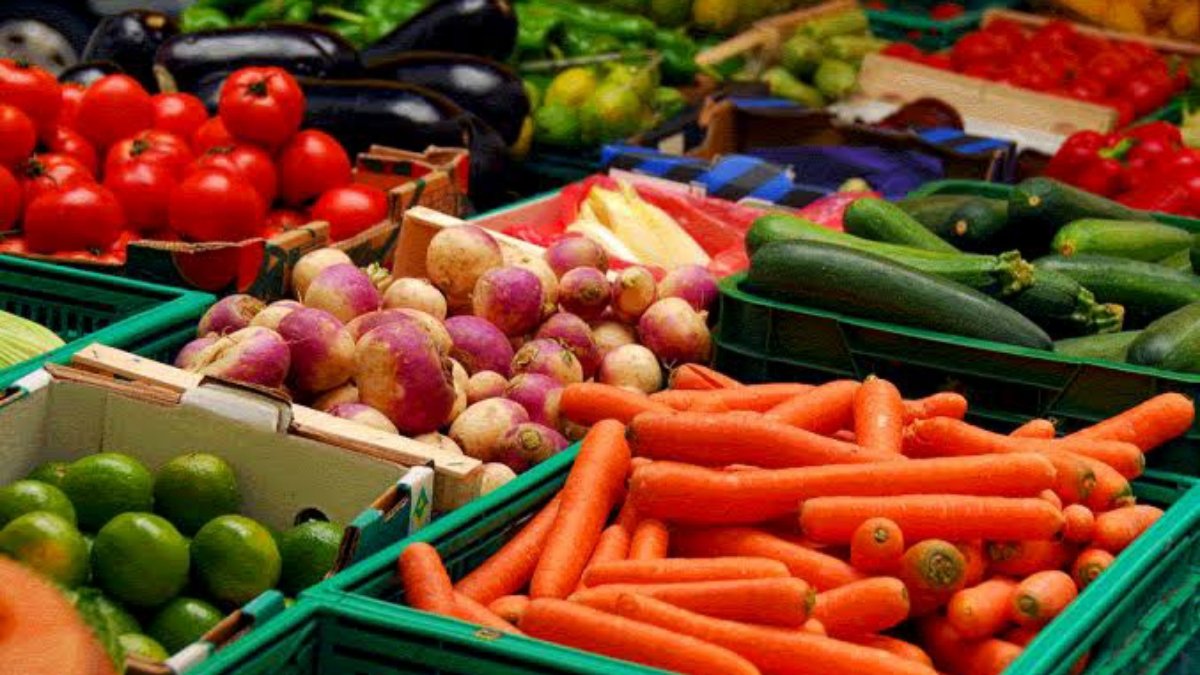
According to the NBS, the sharp decline came mainly from falling prices of tomatoes, peppers, potatoes, eggs, garri, beans, millet, maize, and other grains. These items make up a large portion of Nigeria’s food inflation index.
Experts also pointed out that consistent harvests of key food items helped stabilize prices nationwide. “Farmers have continued to record strong yields this season,” an analyst noted. “This has improved market supply and reduced overall pressure on food costs.”
A state-by-state analysis showed that Ekiti recorded the highest annual food inflation at 28.68%, followed by Rivers at 24.18% and Nasarawa at 22.74%.
The NBS emphasized that Nigeria food inflation could ease further if the harvest season continues and transport costs remain stable.