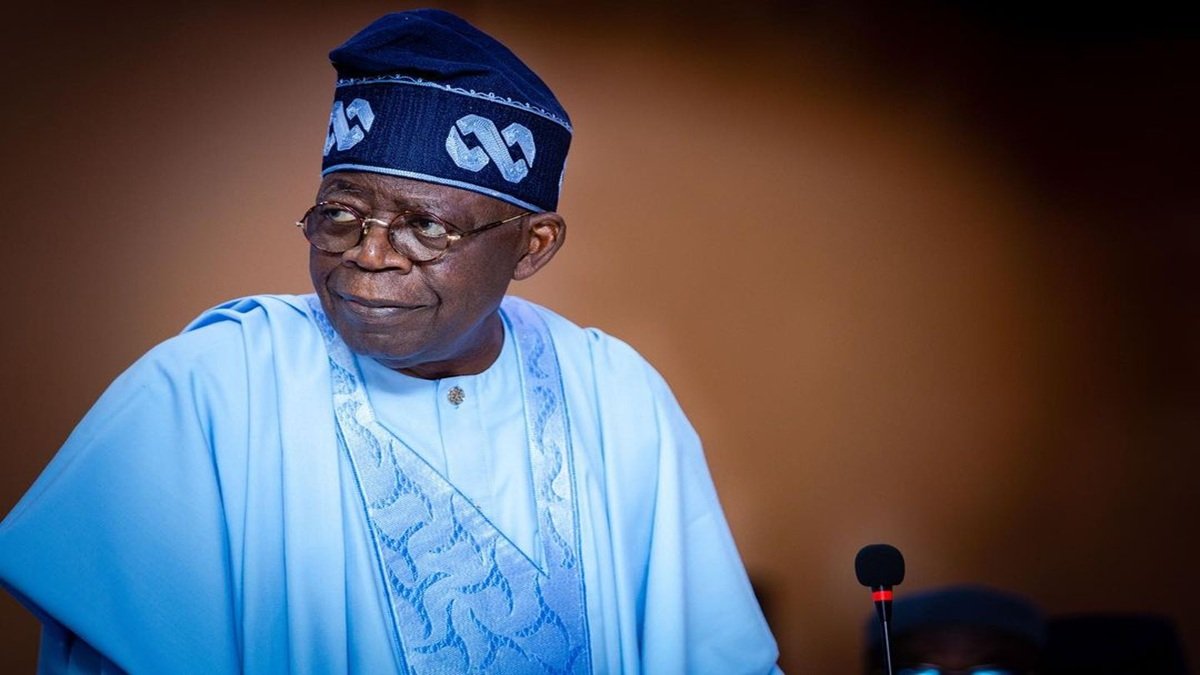

President Bola Ahmed Tinubu has disclosed that over ₦4 trillion saved from the removal of petrol subsidies has been redirected to critical infrastructure development, social welfare, and public transportation systems across Nigeria, as part of sweeping reforms to revive the country’s economy.
Speaking at the National Conference on Public Accounts and Fiscal Governance on Monday, Tinubu, who was represented by the Minister of State for Finance, Doris Uzoka-Anite, said the subsidy regime was unsustainable and inequitable, favouring the affluent while enabling smuggling and inefficiency.
“In 2022 alone, Nigeria spent over ₦4 trillion on fuel subsidies, more than we allocated to capital expenditure. This was fiscally unjust. Since its removal, we’ve redirected those funds into targeted interventions, expanded social safety nets, improved public transportation, and financed key infrastructure development projects,” the President stated.
He added that the administration has strengthened fiscal buffers and improved Nigeria’s resilience to global shocks, while also initiating structural reforms to diversify the economy and reduce overreliance on oil revenues.
President Tinubu announced that newly enacted tax laws are now simplifying compliance, expanding the tax base, especially by integrating the informal sector, and digitising revenue collection to eliminate leakages. According to him, the reforms are designed to promote a more business-friendly environment by harmonising multiple taxes and supporting small and medium-sized enterprises.
He cited initiatives like the National Credit Guarantee Company, designed to empower local producers and SMEs, and boost non-oil exports, as part of his administration’s commitment to creating jobs, building economic resilience, and supporting long-term national stability.
On monetary policy, Tinubu commended the Central Bank of Nigeria for stabilising the naira and working in closer coordination with fiscal authorities to curb inflation and address structural bottlenecks, particularly in food supply chains. He called on the National Assembly, particularly the Public Accounts Committees, to uphold their constitutional role with integrity, insisting that oversight is not a political weapon but a patriotic responsibility.
Senate President Godswill Akpabio, represented by Senator Abdul Ningi, urged the Public Accounts Committees to assert their constitutional powers to enforce accountability, lamenting the growing trend of government agencies disregarding legislative summons. He described such defiance as an affront to democracy, warning that it must be addressed urgently. Akpabio also emphasised the need for the legislature to be equipped with expertise and digital tools to fulfil its mandate effectively.
Speaker of the House of Representatives, Tajudeen Abbas, represented by House Leader Julius Ihonbvere, revealed that over ₦300 billion in public funds flagged by federal audit reports remain unrecovered. He stressed the urgency of enforcing audit recommendations and imposing penalties for fiscal violations, stating that fiscal responsibility cannot exist without consequences. Abbas added that the House has reformed its Public Accounts Committee processes to ensure timely review of Auditor-General reports and enhanced legislative oversight.
Chairman of the Senate Public Accounts Committee, Senator Ahmed Wadada, called for a nationwide recommitment to fiscal discipline, warning that public funds must be treated as a sacred trust. He criticised past fiscal mismanagement, including budget allocations released without measurable impact, and called for a citizen-focused approach to financial transparency. Wadada said every Naira must be accounted for in education, health, infrastructure development, and national security.
Bamidele Salam, Chair of the House Public Accounts Committee, described the conference, held under the theme “Fiscal Governance in Nigeria: Charting a New Course for Transparency and Sustainable Development”, as a milestone in the push for public sector accountability. He called for a recalibration of Nigeria’s fiscal systems and highlighted the need to strengthen audit institutions, improve financial reporting, and make government spending more transparent and accessible to everyday Nigerians.
The conference served as a platform to reinforce President Tinubu’s fiscal reforms under the Renewed Hope Agenda and to unify all branches of government around a common goal: responsible governance anchored on transparency, discipline, and citizen trust.