
A new policy document on non-state schools was announced by the Federal Ministry of Education last week, setting the age at which kids who have completed six years of basic education can apply for admission to junior secondary schools at 12. Often referred to as independent, private, or non-government schools, non-state schools are educational establishments that are not under government control.
Typically, tuition fees and donations from individuals, businesses, communities, religious organizations, and foundations are used to finance them. Though the level of education provided varies by school category, the strategy statement claims that non-state schools are increasingly contributing to the nation’s educational system.
The Federal Ministry of Education said, “Nursery education shall be of three years’ duration,” in reference to the enrollment age. According to Section 2(17) of the NPE, 2013 Edition, “Children shall be admitted into Nursery One when they attain the age of three years, Nursery Two on attaining the age of four, and one year of compulsory pre-primary education (Kindergarten) on attaining the age of five years.”
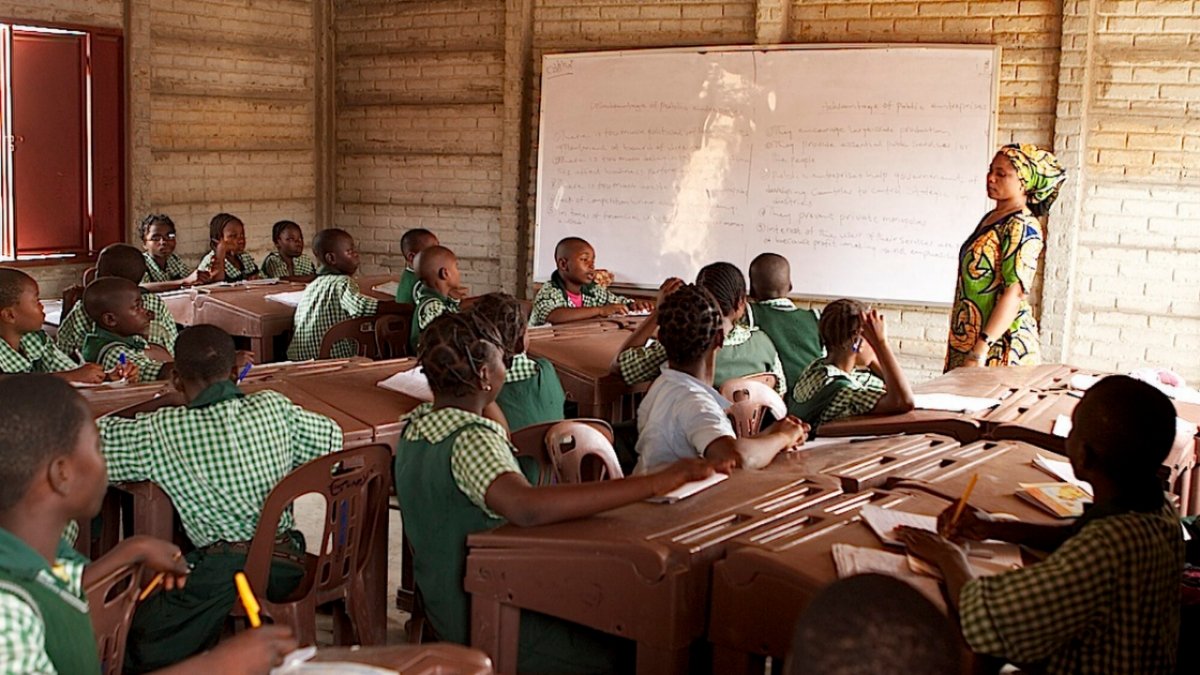
The policy made it explicit that “basic education shall be of nine years’ duration” when it came to the age at which students might enroll in junior secondary schools. There will be a three-year Junior Secondary School (JSS) and a six-year primary. When a child reaches the age of six, they are admitted to Primary One.
“Every child must complete six years of primary education. They shall be admitted into Junior Secondary School (JSS1) when they have completed six (6) years of primary education, at around the age of twelve (12) years.”
It is implied that Nigerian students would reach the legal age of 18 before being eligible to enroll in higher education if this new policy is strictly adhered to.